Budget Guide for One Week of Beauty Treatments in Seoul
Budget Guide for One Week of Beauty Treatments in Seoul
Planning a week-long aesthetic journey to Seoul offers international visitors incredible access to world-class dermatology, but building a realistic financial plan requires looking beyond basic menu items. Because a successful medical travel itinerary combines clinical costs with lodging, local transport, post-care essentials, and statutory taxes, anticipating total expenditures prevents unexpected budget strains. Designing a comprehensive financial blueprint ensures you can enjoy Seoul's advanced clinical innovations with absolute peace of mind and complete clarity.
1. Categorizing Your Core Aesthetic Investment Tiers
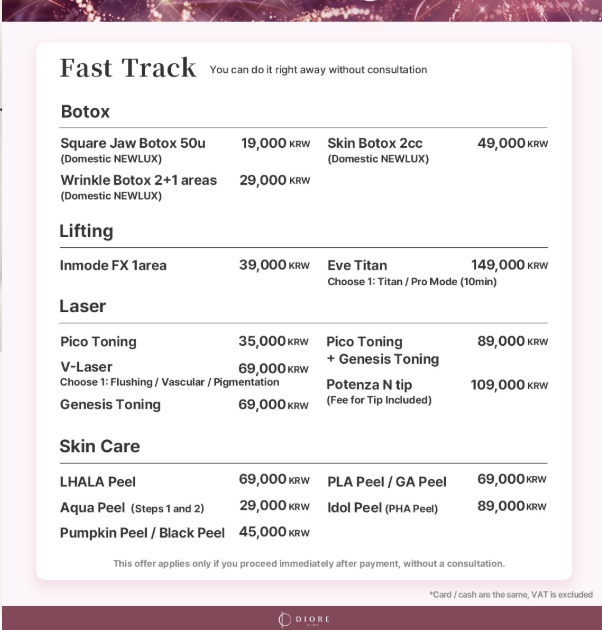
- The Factory-Style Maintenance Budget: If your goal is routine upkeep—such as basic laser toning, monthly skin scaling, and standard toxin adjustments—allocating between $300 and $800 total covers multiple procedures at high-efficiency volume clinics.
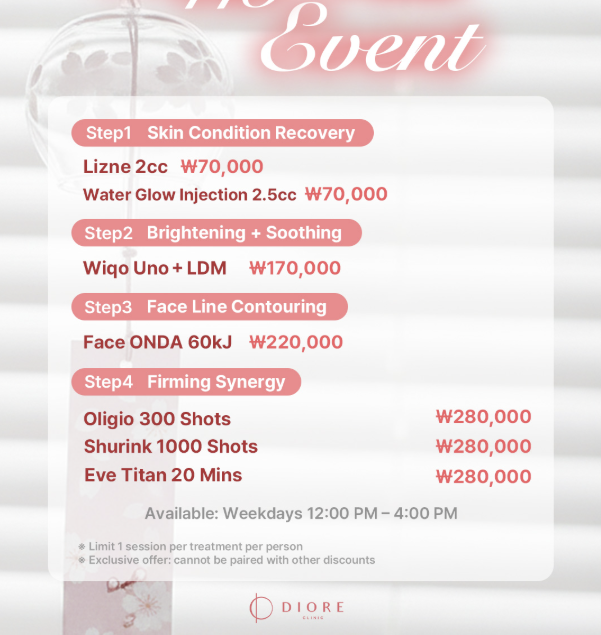
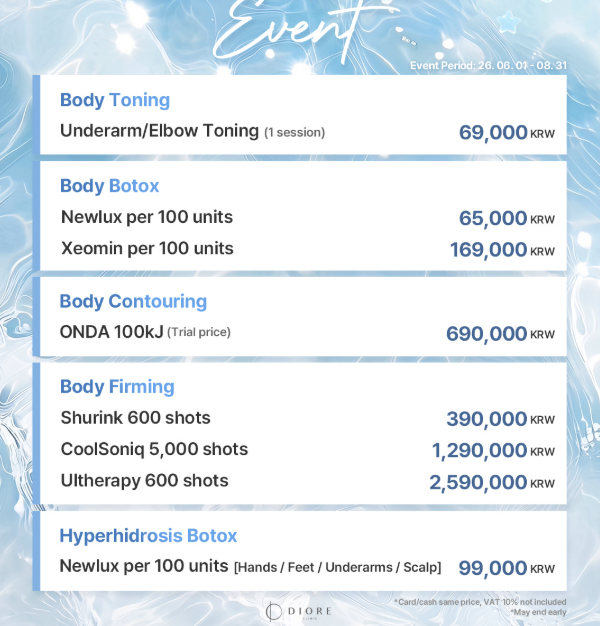
- The Premium Boutique and Lifting Allocation: Travelers prioritizing deep structural rejuvenation, flagship energy-based tightening devices like Thermage or Ultherapy, and custom skin boosters should budget between $1,500 and $4,000 to cover comprehensive physician-led protocols.
2. Factoring in Accommodation and Strategic Location Choices
- Staying Close to Aesthetic Hubs: Reserving a hotel or serviced residence in transit-friendly districts like Gangnam, Apgujeong, or Hongdae typically ranges from $700 to $1,500 for a seven-night stay, minimizing daily taxi expenses and travel fatigue.
- Accommodating Potential Recovery Extensions: Setting aside an extra buffer for one or two additional hotel nights is a crucial safety net in case post-procedure swelling or redness takes longer to settle than initially expected before your return flight home.
3. Essential Auxiliary Costs: Tax, Translation, and Diagnostics
- Accounting for Mandatory Domestic VAT: With official medical tax refunds completely phased out, international visitors must factor the full statutory tax rate directly into their procedure calculations rather than expecting airport cash-back kiosks.
- Reserving Funds for Translation and Consultations: Allocating roughly $100 to $300 for professional medical translation services, initial diagnostic skin imaging, or specialized clinic consultations ensures smooth communication and uncompromised clinical safety.
4. Post-Care Skincare, Regenerative Kits, and Medications
- Investing in Professional Healing Products: Clinics routinely prescribe medical-grade regeneration creams, soothing masks, and specialized sunblocks immediately following treatments to protect your investment and prevent pigmentation.
- Preventing Unexpected Dispensary Surprises: Setting aside a separate $150 to $300 retail buffer for take-home healing products and prescribed oral medications guarantees you will never be caught short during your critical recovery window.
5. Daily Living, Sustenance, and Local Transit Expenses
- Navigating Seoul on a Managed Budget: Beyond clinical bills, budgeting roughly $350 to $600 for meals, public transportation cards, and light leisure activities covers a comfortable, stress-free week in the city.
- Prioritizing Soft-Diet and Comfort Needs: Factor in minor extra costs for convenient dining or gentle food options if intensive treatments like jaw contouring or deep laser resurfacing temporarily restrict your normal dietary habits.
Final Thoughts: Crafting Your Complete Seoul Financial Plan
Building a reliable budget for a one-week beauty trip to Seoul means looking past headline promotional rates and anticipating the entire ecosystem of travel, taxes, and post-care. By balancing your core treatment tier with lodging buffers, statutory taxes, and essential healing products, you create a realistic financial framework. Approaching your medical holiday with complete fiscal preparedness ensures that your focus remains entirely where it belongs: on achieving radiant, safe, and transformative results.