Boutique Clinics vs High-Volume Clinics
Boutique Clinics vs High-Volume Clinics
When planning an aesthetic journey in Seoul, international visitors quickly realize that the local medical market is divided into two distinct operational models: boutique practices and high-volume, factory-style clinics.Each model offers a fundamentally different patient experience, pricing structure, and level of clinical customization. Understanding the operational realities behind both choices allows you to weigh speed and affordability against individualized attention and precision. Choosing the right environment ensures your clinical approach matches your personal aesthetic goals and safety preferences.
1. Philosophy of Care and Patient Volume
- Prioritizing Quality Over Scale: Boutique clinics deliberately limit their daily patient intake, ensuring that every individual receives unhurried attention, comprehensive evaluations, and meticulous execution from their attending physician.
- Focusing on Efficiency and High Turnover: High-volume clinics rely on a systemized, assembly-line workflow designed to process hundreds of patients daily, maximizing speed and accessibility for standard aesthetic procedures.
2. Direct Doctor Involvement and Consultation Depth
- Ensuring Continuity of Care in Boutique Settings: In smaller practices, the main dermatologist or surgeon handles everything from the initial diagnostic review and mapping to the final execution of the procedure itself.
- Navigating Multi-Tiered Staffing in High-Volume Centers: Factory clinics often delegate initial intakes and package explanations to international coordinators, with the physician stepping in briefly for the active treatment phase.
3. Pricing Structures and Financial Transparency
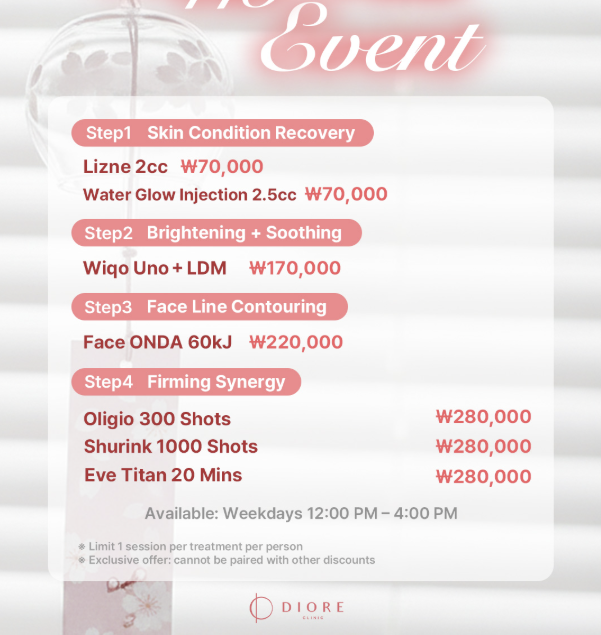
- Reflecting Expertise in Boutique Costs: Boutique pricing tends to be higher, directly factoring in extended appointment times, premium branded consumables, and tailored, multi-step combination therapies.
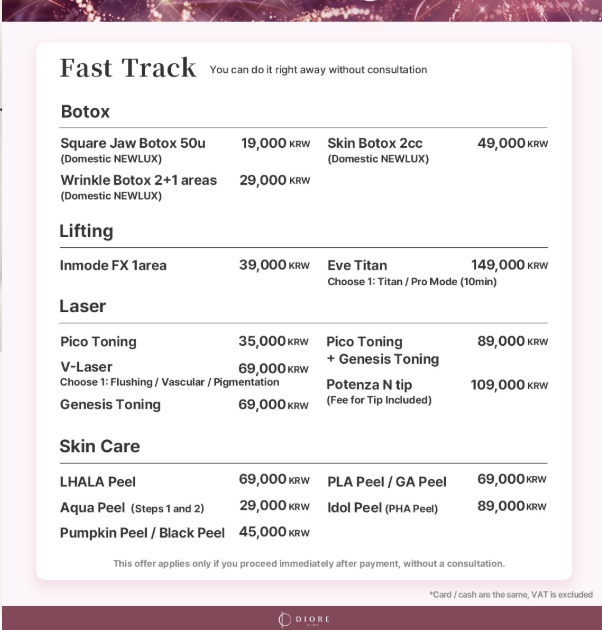
- Leveraging Economies of Scale in Factory Clinics: High-volume centers offer aggressively discounted, transparent package menus, though patients must remain mindful of potential add-on upsells during the consultation process.
4. Customization Versus Standardized Protocols
- Tailoring Treatments to Unique Anatomical Profiles: Boutique practices excel at handling complex skin issues, sensitive tissue types, and subtle facial balancing by adjusting laser energies and injection placements to your exact physiological baseline.
- Relying on Replicable, Protocolized Sequences: Factory clinics utilize standardized, pre-set treatment templates that deliver consistent, fast results, making them ideal for straightforward touch-ups but less flexible for nuanced corrective work.
5. Matching Clinic Types to Your Specific Itinerary
- Selecting Boutique Care for Advanced Procedures: Travelers seeking deep scar revision, complex facial contouring, corrective work, or specialized anti-aging lifting protocols benefit immensely from the precision and safety of a doctor-led boutique environment.
- Leveraging Factory Clinics for Routine Maintenance: If your travel itinerary only requires quick, low-risk upkeep—such as standard Botox top-ups or routine laser toning—the speed and affordability of a high-volume center provide unmatched practical convenience.
Final Thoughts: Aligning Clinic Style With Your Goals
Deciding between a boutique practice and a high-volume clinic in Seoul comes down to balancing your budget against your need for personalized medical oversight. While factory clinics offer unbeatable efficiency and low entry costs for simple maintenance, boutique practices provide the safety, depth, and customization required for transformative aesthetic care. Selecting the environment that aligns with your specific clinical needs guarantees a rewarding and secure medical tourism experience.