What Is a Factory Clinic?
What Is a Factory Clinic?
Walking into a high-volume aesthetic practice in Seoul often reveals an assembly-line operation designed for maximum efficiency, rapid turnaround, and aggressively competitive pricing. Frequently referred to as a factory clinic, this business model has revolutionized the accessibility of routine dermatological care and popular cosmetic treatments across South Korea. For international medical tourists, understanding how these establishments operate allows for clear expectations when weighing lower costs against personalized care. Recognizing the distinct features of these high-turnover centers ensures you choose the right clinical environment for your specific Seoul aesthetic goals.
1. The High-Volume, Low-Cost Business Model
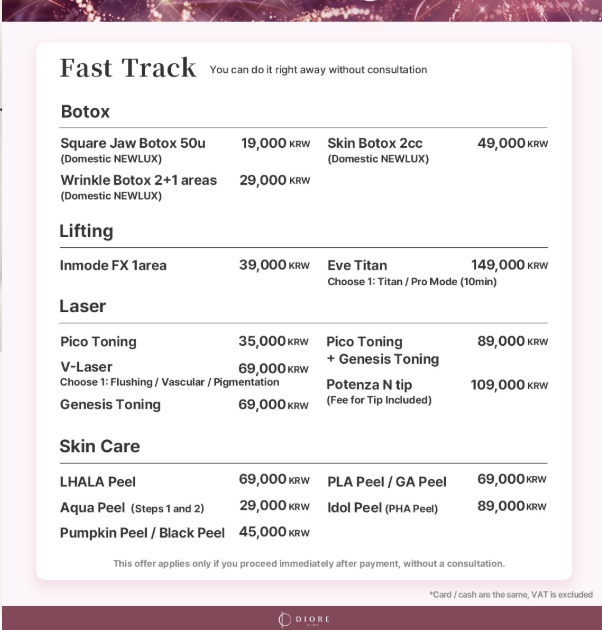
- Purchasing Power and Aggressive Pricing: By treating hundreds of patients daily, these clinics leverage massive economies of scale to offer standard procedures like Botox, fillers, and basic lasers at a fraction of typical international market rates.
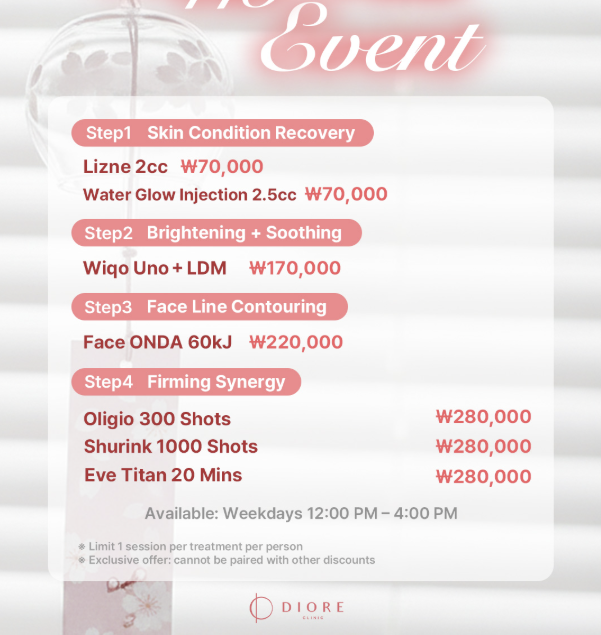
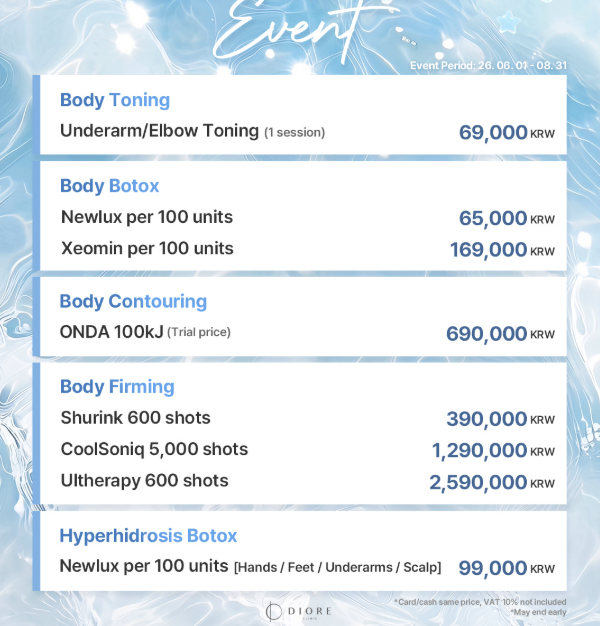
- Transparent and Standardized Menus: Pricing is usually fixed and publicly displayed, eliminating complex negotiation processes and making routine maintenance exceptionally affordable for budget-conscious medical travelers.
2. Streamlined Workflows and Minimal Doctor Time
- Assembly-Line Patient Processing: Intake, skin cleansing, numbing cream application, and post-procedure masking are managed entirely by nurses or coordinators, leaving the physician to step in only for the quick execution of the treatment.
- Concise Physician Interaction: Consultations with the actual doctor are frequently brief and strictly focused on procedural execution rather than long, in-depth personalized medical discussions.
3. Standardization of Popular Aesthetic Procedures
- Focusing on Low-Risk Protocolized Care: Factory clinics excel at high-frequency, standardized services such as simple wrinkle-relaxing injections, linear laser toning, body contouring, and basic hydration skin boosters.
- Relying on Replicable Clinical Sequences: Treatment protocols are heavily standardized across the entire medical staff to maintain speed and consistency, minimizing variation between different attending doctors.
4. Ideal Candidates and Suitable Treatment Types
- Perfect for Routine Skincare Maintenance: Experienced aesthetic patients who already know exactly what procedure they require and do not need complex diagnostic advice benefit greatly from the low costs and quick turnaround.
- Matching Simple Needs to High-Speed Systems: If your goal is a quick Botox top-up or a simple laser session, the high efficiency of a factory clinic provides unbeatable practical convenience.
5. Key Limitations and Considerations
- Limited Customization for Complex Concerns: Patients seeking intricate facial reshaping, advanced scar treatment, or deep diagnostic evaluation may find the rapid pace insufficient for their nuanced aesthetic requirements.
- High Staff Turnover and Varying Practitioner Styles: Because large volume clinics frequently employ rotating associate physicians, you may see a different practitioner during every visit, making long-term doctor-patient continuity difficult to maintain.
Final Thoughts: Choosing the Right Environment for Your Needs
Factory clinics play a vital role in making Seoul's world-class aesthetic technology accessible to a vast global audience at budget-friendly prices. While they may lack the intimate, highly customized atmosphere of boutique practices, their high-speed operational efficiency and transparent pricing make them ideal for straightforward, routine procedures. Knowing what to expect allows you to strategically leverage these high-volume centers to achieve excellent results while staying strictly within your overall travel budget.